Wetaskiwin District Heritage Museum Centre & City of Wetaskiwin Archives
an inclusive gathering place for the local community to engage in the history, heritage and culture of Wetaskiwin City, County, and the Maskwacis Cree Four Nations
Menu
The shop on this website is for society related items such as memberships and fundraisers. To shop our Star Store Gift Shop please visit starstoreonline.com
Category: Heritage Moments
-

History of Masks in Warfare: From Gas Masks to Respirators
Every November we stop to reflect on the unimaginable sacrifices that our armed forces have suffered and continue to endure serving our country. Something as simple as breathing clean air was a challenge and at times not within reach for those in the theatre of war operations. In the early 1800s, firefighting, diving, mining, and…
-

The Evolution of Goalie Masks in Hockey
Would you like to face a 102-mph slap shot with no mask? I know I would not want too. The first mask was worn by Elizabeth Graham when goaltending for Queen’s University in 1927 and wanted to guard her teeth, so she donned a fencing mask. Next, in 1930, Montreal Maroons’ goaltender Clint Benedict played…
-

History of Halloween Noisemakers: A Spirited Tradition
It is now that month when we enjoy disguising ourselves and anticipate the screams of onlookers or chilling reactions from passersby. These party horn blowers that were popular in the 1950s helped to announce the Halloween occasion to the detriment of many a parent’s ear. This particular set was used by the Lahls in John…
-

The History of the Wool Winder: From Vintage to Modern Use
From fluff to a muff, we’ve got a ‘woolly’ big collection when it comes to textile devices. This Aero Wool Winder, dated to the 1950s, was made in Redditch, England where it then travelled to Alder Flats to be used on a local farm. The primary function of this tool, which first needs to be…
-
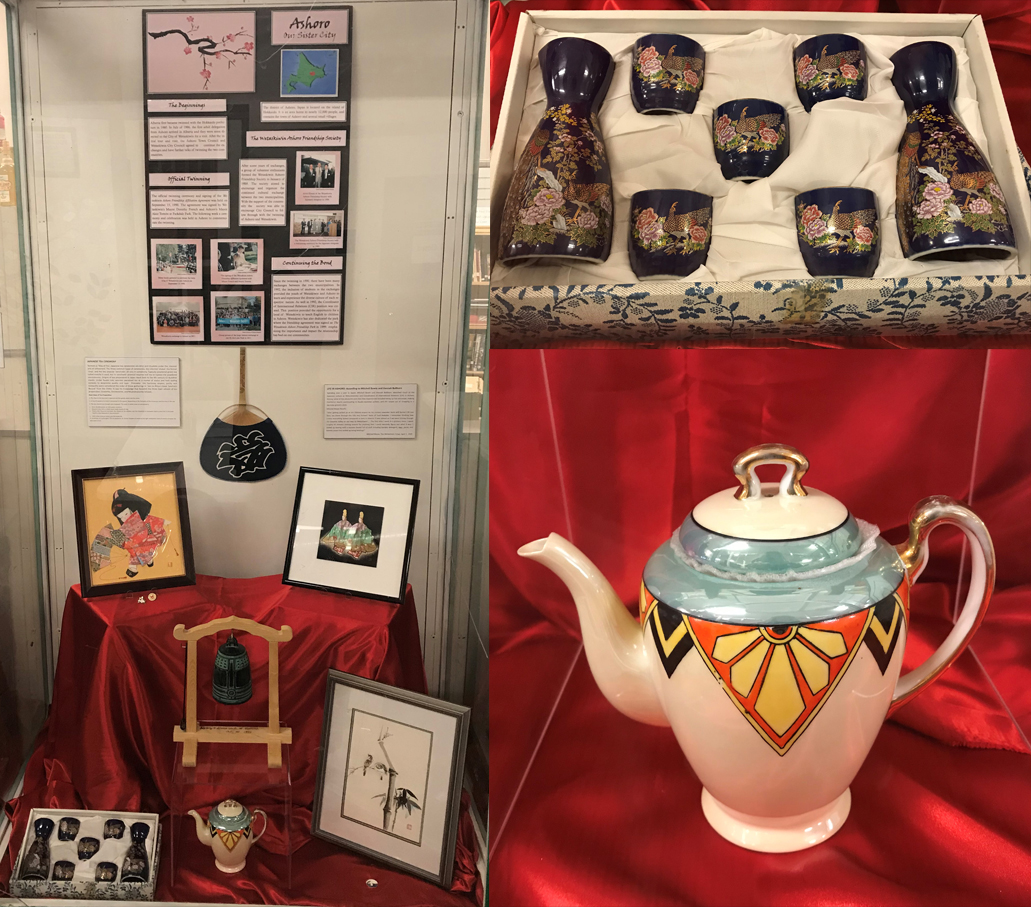
Discovering Japanese Heritage at the Wetaskiwin Museum
Keeping with the theme of the Wetaskiwin Ashoro Friendship Society’s 30 anniversary, the museum houses various Japanese related artifacts that help tell the story behind the twinning of the two cities. One such item is this Meito China hand painted teapot owned originally by Mrs. Emma Asp. Made in Japan, the teapot with the Imari…
-

Understanding the Atlas: A Journey Through Globe History
With school back in session and the world continuing to spin wildly on its axis, we thought an atlas globe was a befitting heritage moment. Named, in part, after the Titan who was forced to carry the heavens and the earth, the Atlas is considered one of the oldest known scientific instruments. They were first…
-
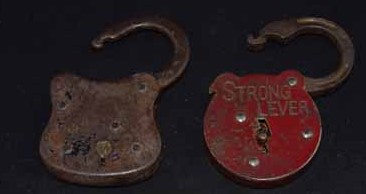
The History of Locks: From Ancient Egypt to Modern Security
Unlocking the secrets behind history and protecting the collection is part of museum work. With the second break-in within a month at the Heritage Museum, we were inspired to write about locks. Mechanical locks made their debut in North Africa with the Egyptians and in the Middle East with the Babylonians around 1000 BC. The…
-
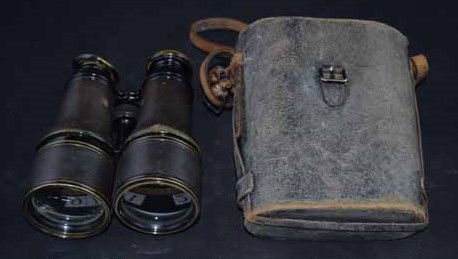
History of Binoculars: From Invention to Modern Use
Through the collection’s looking glass we find this set of binoculars once owned by Robert Spencer of Millet in the 1930s. Hans Lippershey of Holland is credited with inventing the lens in the 16th century and was even asked to create binoculars which he fashioned out of a box. However, it wasn’t until 1825 that…
-
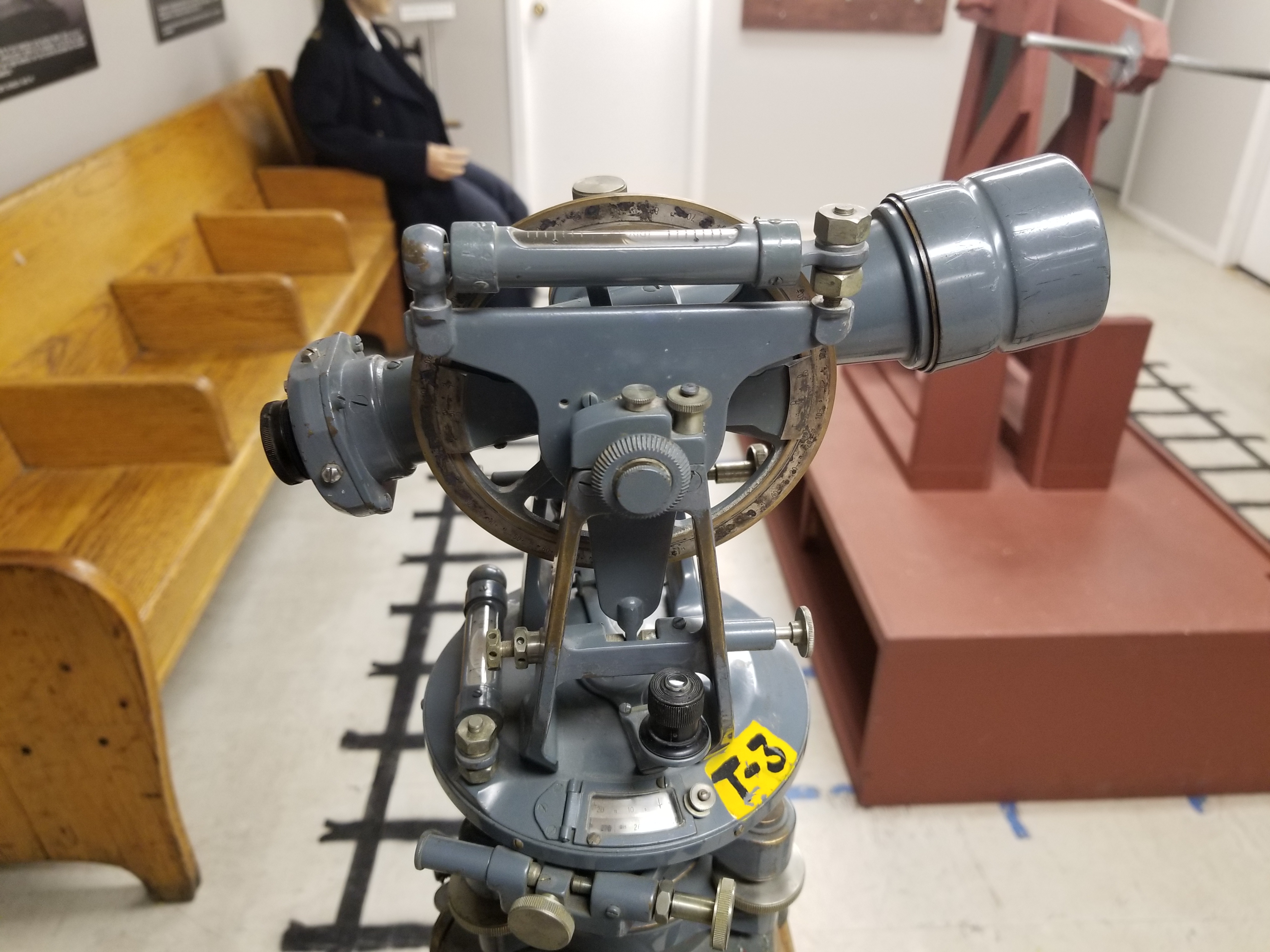
Exploring the History of Surveyors’ Transit
This artefact was most generally used in the early 1900s by surveyors and civil engineers for measuring angles, determining distance and direction, and doing levelling. The chief parts of the transit are two circular plates, a and b, usually of brass or copper and mounted independently upon the same axis so that the upper plate…
-

Sickle: The Ancient Tool Still Used Today
A sickle is an ancient tool, consisting of a curved metal blade and short wooden handle, used to harvest wheat, barley, hay, other cereal crops and grass. Due to the short handle, it forces the user to use it in a squatting position, making the harvesting process painfully slow. The inside of the blade curve…