Wetaskiwin District Heritage Museum Centre & City of Wetaskiwin Archives
an inclusive gathering place for the local community to engage in the history, heritage and culture of Wetaskiwin City, County, and the Maskwacis Cree Four Nations
Menu
The shop on this website is for society related items such as memberships and fundraisers. To shop our Star Store Gift Shop please visit starstoreonline.com
Tag: museum
-
Fritz Kirstein’s Legacy: Wetaskiwin’s Iconic Meat Shop

In August 1921, Fritz Kirstein opened the City Meat Market between 49 Street and 49 Avenue in Wetaskiwin. They sold everything from homemade wieners, fish, to cheese cut from wide rounds. Sawdust was used in the back for cleanliness and blocks of ice preserved the freshness of the meat until the sanitary coolers were installed…
-
The Legacy of Gus Elgert: Alberta’s Award-Winning Farmer

This week we got a donation in from Deborah Kirstein which included a ton of items from the 1930s to the 1970s. One of the items she included was a picture and magazine article about their grandfather Gus Elgert who was a farmer that owned land one and a half miles east of Wetaskiwin. His…
-

Dissociation Explained: Impact on Museum Artifacts
What is Dissociation? It is loss of objects, or object-related data, or the ability to retrieve or associate objects and data. This can happen in three different ways: rare and catastrophic single events resulting in extensive loss of data, objects, or object values; Sporadic and severe events occurring every few years or decades resulting in…
-

Understanding Relative Humidity and Its Effects
What is relative humidity (RH)? It is the quality of the air that ranges between damp and dry. We don’t perceive RH itself, we relate to RH through the dampness or dryness of our bodies in reaction to ambient RH, or we observe the effect on objects such as paper or cloth, which become damp…
-
The Impact of Chemical Warfare in WWI
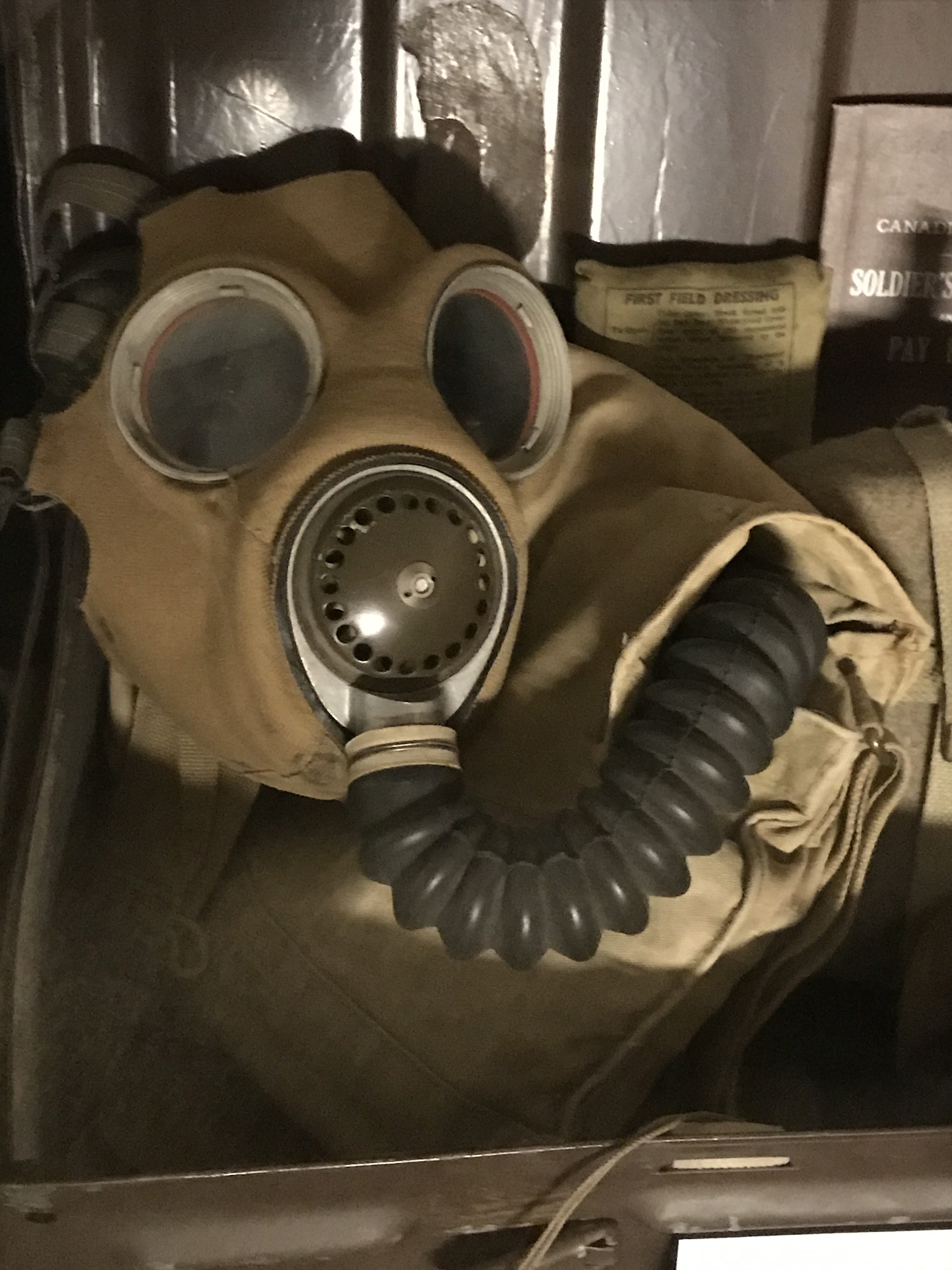
Remembering those who have experienced the traumas of war and those that will never return, we continue this week’s Heritage Moment discussing gas masks. Prior to the Battle of Ypres, 18,000 gas shells filled with xylyl bromide targeted Russian lines over Bolimow in January of 1915. This early form of tear gas was a failure…
-

History of Masks in Warfare: From Gas Masks to Respirators
Every November we stop to reflect on the unimaginable sacrifices that our armed forces have suffered and continue to endure serving our country. Something as simple as breathing clean air was a challenge and at times not within reach for those in the theatre of war operations. In the early 1800s, firefighting, diving, mining, and…
-

The Evolution of Goalie Masks in Hockey
Would you like to face a 102-mph slap shot with no mask? I know I would not want too. The first mask was worn by Elizabeth Graham when goaltending for Queen’s University in 1927 and wanted to guard her teeth, so she donned a fencing mask. Next, in 1930, Montreal Maroons’ goaltender Clint Benedict played…
-

History of Halloween Noisemakers: A Spirited Tradition
It is now that month when we enjoy disguising ourselves and anticipate the screams of onlookers or chilling reactions from passersby. These party horn blowers that were popular in the 1950s helped to announce the Halloween occasion to the detriment of many a parent’s ear. This particular set was used by the Lahls in John…
-

The History of the Wool Winder: From Vintage to Modern Use
From fluff to a muff, we’ve got a ‘woolly’ big collection when it comes to textile devices. This Aero Wool Winder, dated to the 1950s, was made in Redditch, England where it then travelled to Alder Flats to be used on a local farm. The primary function of this tool, which first needs to be…
-
Discovering Japanese Heritage at the Wetaskiwin Museum
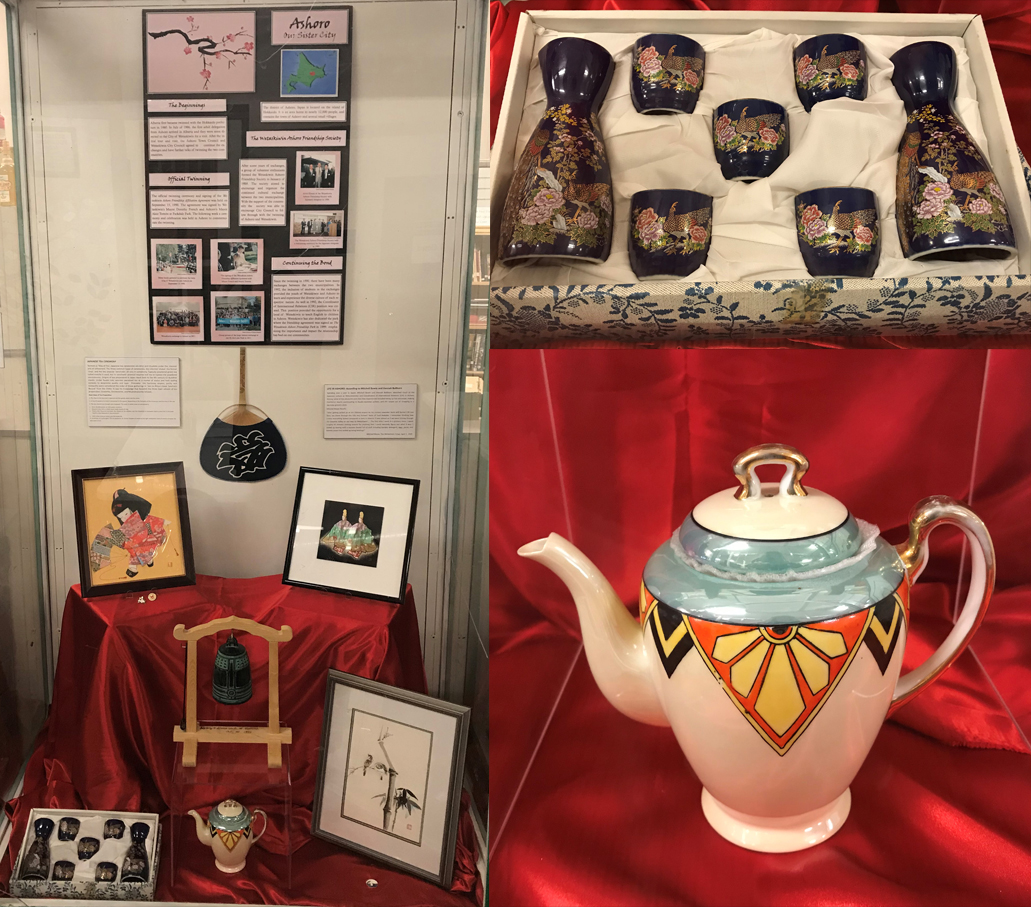
Keeping with the theme of the Wetaskiwin Ashoro Friendship Society’s 30 anniversary, the museum houses various Japanese related artifacts that help tell the story behind the twinning of the two cities. One such item is this Meito China hand painted teapot owned originally by Mrs. Emma Asp. Made in Japan, the teapot with the Imari…