Wetaskiwin District Heritage Museum Centre & City of Wetaskiwin Archives
an inclusive gathering place for the local community to engage in the history, heritage and culture of Wetaskiwin City, County, and the Maskwacis Cree Four Nations
Menu
The shop on this website is for society related items such as memberships and fundraisers. To shop our Star Store Gift Shop please visit starstoreonline.com
Tag: wetaskiwin
-
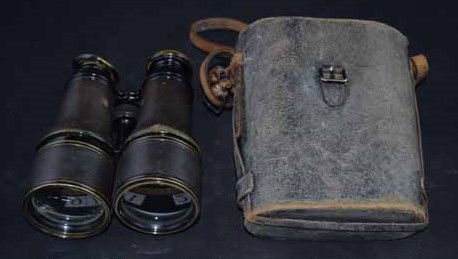
History of Binoculars: From Invention to Modern Use
Through the collection’s looking glass we find this set of binoculars once owned by Robert Spencer of Millet in the 1930s. Hans Lippershey of Holland is credited with inventing the lens in the 16th century and was even asked to create binoculars which he fashioned out of a box. However, it wasn’t until 1825 that…
-
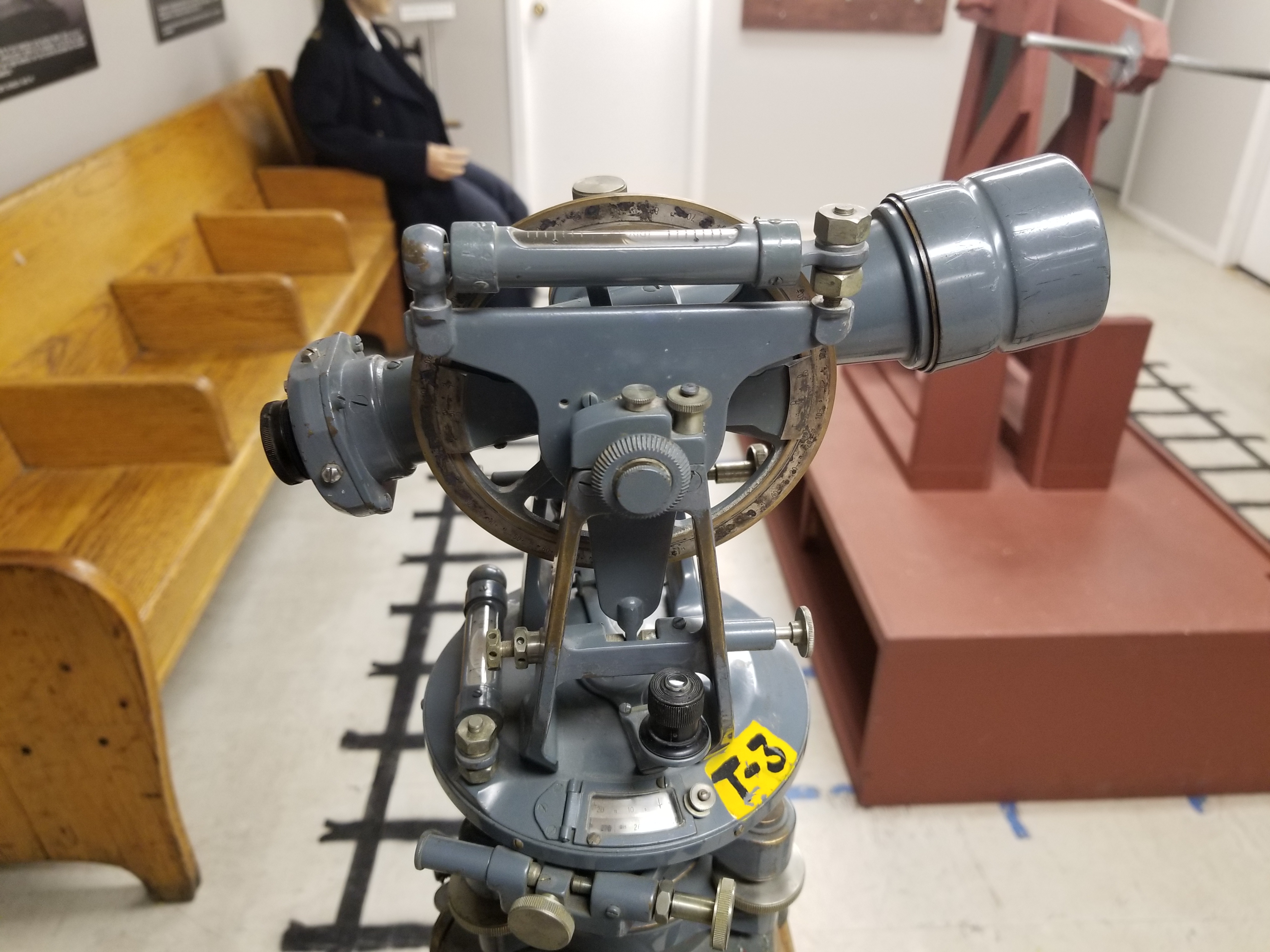
Exploring the History of Surveyors’ Transit
This artefact was most generally used in the early 1900s by surveyors and civil engineers for measuring angles, determining distance and direction, and doing levelling. The chief parts of the transit are two circular plates, a and b, usually of brass or copper and mounted independently upon the same axis so that the upper plate…
-

Sickle: The Ancient Tool Still Used Today
A sickle is an ancient tool, consisting of a curved metal blade and short wooden handle, used to harvest wheat, barley, hay, other cereal crops and grass. Due to the short handle, it forces the user to use it in a squatting position, making the harvesting process painfully slow. The inside of the blade curve…
-

The Origins of Valentine’s Day: Stories and Symbols
With Valentine’s Day around the corner, we wanted to regale in some stories about this holiday. There are two different early versions of St. Valentine. The first St. Valentine is a priest in third-century Rome who would secretly marry young soldiers due to Emperor Claudius II deciding that single men made better soldiers than those…
-
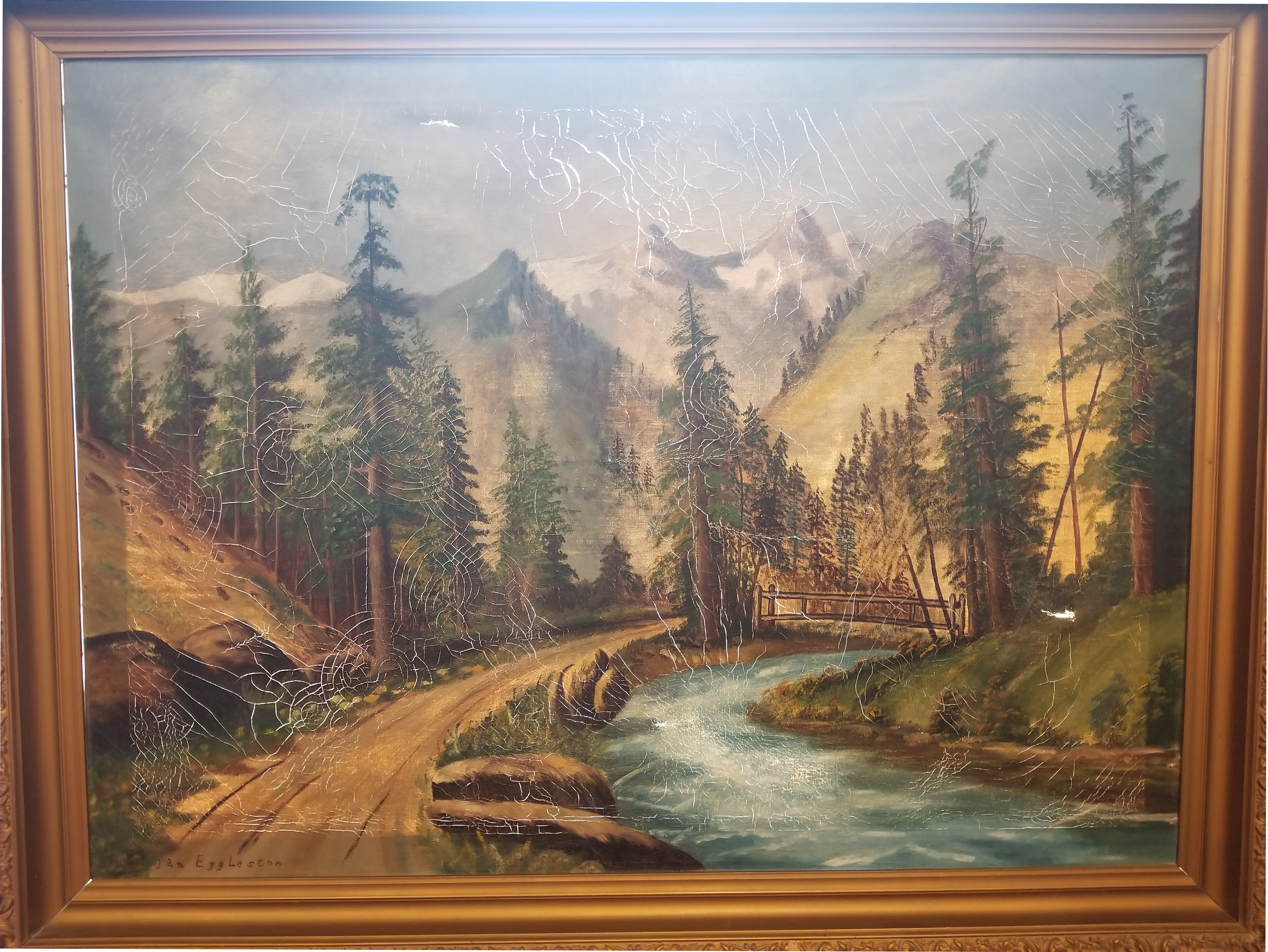
Understanding Crazing in Old Paintings: Causes and Solutions
This is an oil painting done by Ida Eggleston depicting a mountain scene. Sadly, there is no exact date to when this was painted and is estimated that the painting was done in 1950s, making it at least 70 years old. Due to its age and the fluctuating temperature and humidity of this province, the…
-
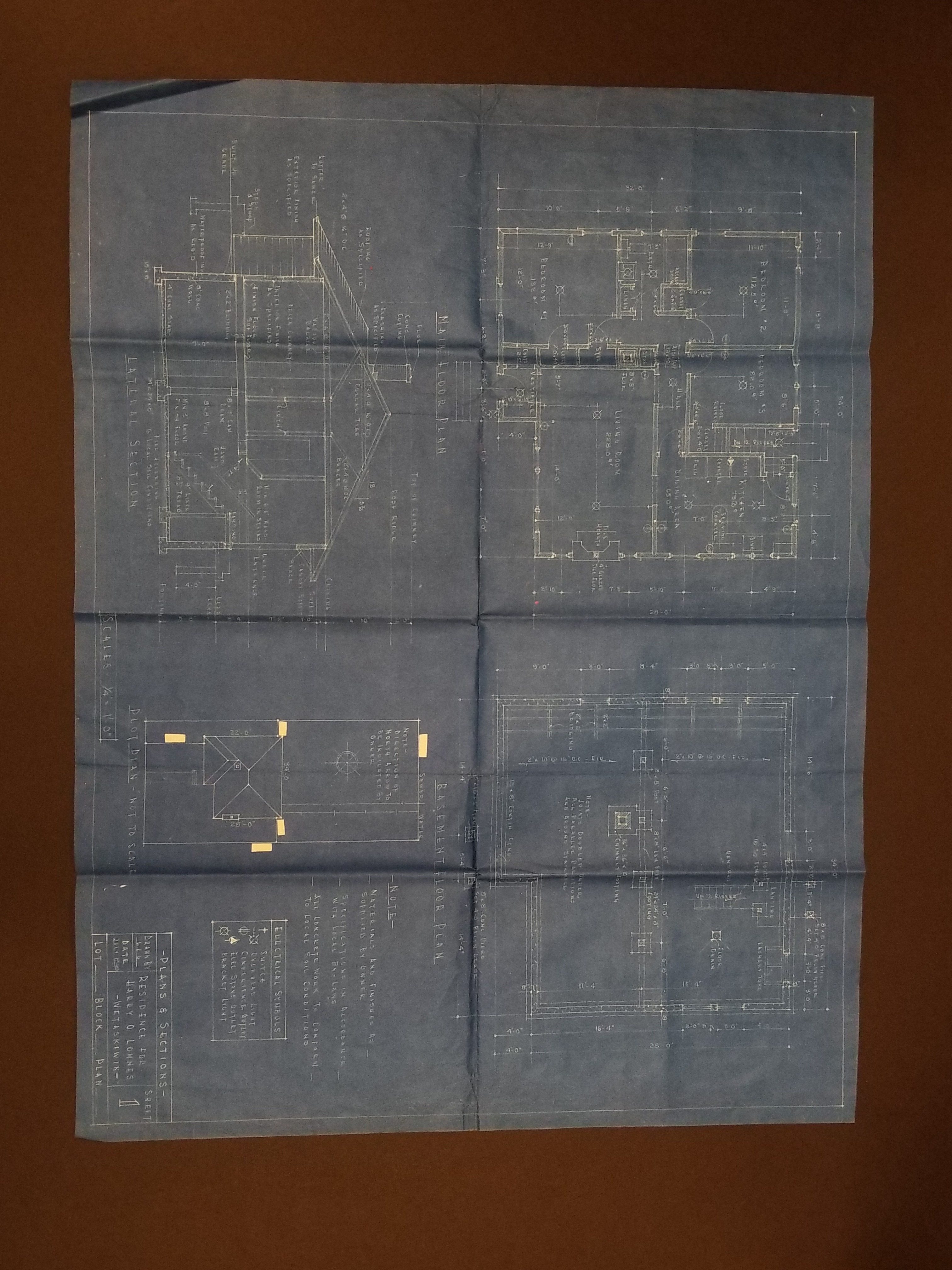
The Blueprint Process: From Creation to Preservation Techniques
Blueprint or Cyanotype is largely recognized in architecture and construction industries, due to its aptly name and unique color scheme of blue, providing measurements and design drawings for specific buildings. The blueprint was invented by a British astronomer and photographer Sir John Herschel in 1842. The combination of two chemicals are applied to a cloth…
-

History of Coffee Grinders: From Millstones to Modern Use
It takes a strong will to compel someone to get out of bed in this weather, but an even stronger cup of coffee! In order to launch pioneers into the ‘grind’ of the day many resorted to the morning beverage with the initial chore of making ground beans with the coffee grinder. For over 2800…
-
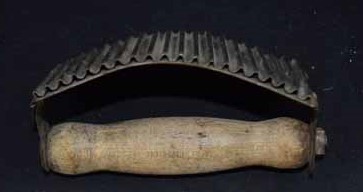
The Art of Pleating: A Historical Journey
Bringing us back into the Heritage Moment ‘fold’ this year is a late 19th century Hand Fluter. A tool used to pleat clothing, the hand fluter functioned like a sad iron and often consisted of a ridged base and a corrugated rocker. An item of clothing would be moistened prior to being placed on the…
-

The History of the Fork: A Culinary Evolution
Come ‘fork’ and learn about this mighty utensil! What may be a surprise to some, the fork is considered a recent invention originating in the Middle East and Byzantine Empire during the Middle Ages. Although the ancient Egyptians, Greeks, and Romans used a two-tined cooking tool resembling a carving fork, they failed to apply it…
-

Heritage Moments: The Trumpet’s Journey Through Time
Sounding in the New Year and the first Heritage Moment of 2020 is our trumpet from 1909, Scotland. Earliest forms of the trumpet were found in China, South America, Scandinavia, and India who used various materials including animal horns, conch shell, bamboo, and tree limbs. Prehistoric man’s basic technique was to blow through a horn…